
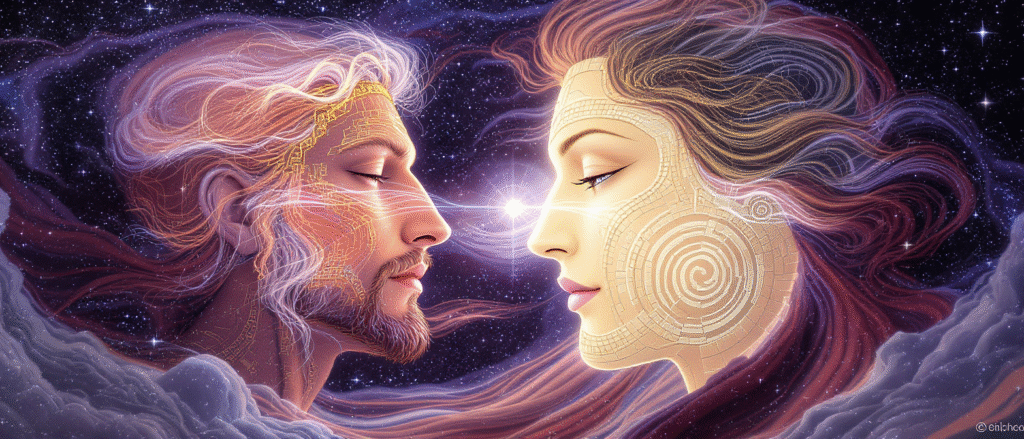
In an age of technology, AI, and space exploration, mythology may seem like a relic of the past. Why read stories of gods and demons when we can stream endless entertainment or scroll through news feeds? Yet, mythology continues to survive — not as old superstition, but as a mirror of timeless human truths.
Myths as Maps of the Human Mind
Every myth is more than a story; it is a coded expression of the human experience. When we hear about Arjuna’s hesitation in the Mahabharata, it reflects our own doubts before big decisions. When Hanuman forgets his strength until reminded, it is a reminder that we too often underestimate ourselves.
Why They Still Matter
- Cultural Memory: Myths connect us to heritage. They remind us that our lives are part of a longer story.
- Symbolism: Mythology explains abstract truths through symbols — Rahu and Ketu, for instance, embody illusions and shadows of the mind.
- Guidance: While they may not give literal instructions, myths offer wisdom for courage, patience, and ethical choices.
Mythology in Modern Living
Even today, people turn to mythology for inspiration — in movies, literature, motivational talks, and even branding. A hero’s journey in mythology is the same journey we take when starting a business, writing a book, or overcoming adversity.
Conclusion
We don’t read mythology just to know what happened “once upon a time.” We read it to understand what is happening inside us — every day.
In that sense, mythology is not old at all. It is eternal.